The Importance of Post-Surgery Rehabilitation
Why Recovery Doesn't End in the Operating Room: A Physiotherapist's Guide to Recovering Faster, Safer, and Stronger After Surgery
Many patients believe that once surgery is over, the hard part is done. As a physiotherapist, I often remind patients that surgery is only one part of the recovery journey. The real success of many surgical procedures depends heavily on what happens afterward.
Whether you've undergone a joint replacement, ligament repair, spinal surgery, fracture fixation, or another orthopedic procedure, post-surgery rehabilitation plays a critical role in helping you regain strength, mobility, function, and independence.
Without proper rehabilitation, patients may experience prolonged pain, stiffness, muscle weakness, reduced mobility, delayed healing, and even complications that affect their quality of life. In this article, I'll explain why post-surgery rehabilitation is so important, what it involves, and how physiotherapy helps patients achieve the best possible outcomes after surgery.
Quick Answer: Why Is Post-Surgery Rehabilitation Important?
Post-surgery rehabilitation helps restore movement, strength, flexibility, and function after an operation. It reduces pain, minimizes complications, speeds recovery, improves surgical outcomes, and helps patients safely return to daily activities, work, and sports.
What Is Post-Surgery Rehabilitation?
Post-surgery rehabilitation is a structured recovery program designed to help patients heal and regain function after an operation. It typically includes:
- Physiotherapy assessment
- Guided exercises
- Pain management strategies
- Mobility training
- Strengthening programs
- Balance and coordination training
- Education on safe movement techniques
The specific rehabilitation plan depends on the type of surgery performed, the patient's age, overall health status, recovery goals, and physical demands of work and lifestyle.
Why Surgery Alone Is Not Enough
Surgery may repair damaged tissues, replace a joint, or stabilize a fracture, but it does not automatically restore normal function. After surgery, the body commonly experiences:
- Pain
- Swelling
- Muscle weakness
- Joint stiffness
- Reduced flexibility
- Balance impairments
- Decreased endurance
These issues can significantly affect a person's ability to perform everyday activities unless they are properly addressed through rehabilitation.
Think of surgery as fixing a damaged engine. Rehabilitation is the process of tuning the entire vehicle so it can perform optimally again.
The Main Goals of Post-Surgery Rehabilitation
A successful rehabilitation program focuses on several key objectives.
1. Reduce Pain
Pain is a normal part of the healing process, but unmanaged pain can slow recovery. Physiotherapists use evidence-based techniques such as therapeutic exercises, manual therapy, heat therapy, cold therapy, and movement strategies.
These interventions help reduce discomfort and improve recovery.
2. Control Swelling
Swelling commonly occurs after surgery due to tissue trauma. Excessive swelling can restrict movement, increase pain, and delay healing.
Physiotherapy helps manage swelling through elevation techniques, gentle movement, compression strategies, and circulatory exercises.
3. Restore Joint Mobility
After surgery, joints often become stiff due to inflammation, pain, and inactivity. Without rehabilitation, stiffness can become long-term and significantly impact function.
Targeted exercises help restore flexibility, range of motion, and joint mobility.
4. Rebuild Muscle Strength
Muscles begin losing strength surprisingly quickly after surgery. Even a few days of reduced activity can lead to muscle weakness.
Physiotherapy programs gradually rebuild muscle strength, endurance, and functional capacity. This is particularly important after surgeries involving knees, hips, shoulders, spine, and ankles.
5. Improve Balance and Coordination
Many surgical procedures affect stability and movement control. Patients recovering from orthopedic surgeries often need balance retraining to reduce fall risk and improve confidence.
6. Restore Independence
One of the primary goals of rehabilitation is helping patients return to walking, climbing stairs, driving, working, exercising, and participating in hobbies. A structured rehabilitation program accelerates this process safely.
Conditions That Commonly Require Post-Surgery Rehabilitation
Physiotherapy is beneficial following many types of surgical procedures.
- Joint Replacement SurgeryExamples include knee replacement, hip replacement, and shoulder replacement. Rehabilitation helps restore mobility and function while preventing stiffness.
- Ligament ReconstructionCommon examples include ACL reconstruction, PCL reconstruction, and ankle ligament repairs. Rehabilitation is essential for restoring stability and preventing reinjury.
- Spinal SurgeryExamples include discectomy, laminectomy, and spinal fusion. Physiotherapy helps improve mobility, posture, and spinal strength.
- Fracture Repair SurgeryPatients recovering from broken bones often need rehabilitation to regain strength and movement.
- Rotator Cuff RepairShoulder rehabilitation is crucial to restore range of motion and prevent long-term stiffness.
- Tendon Repair SurgeryCarefully progressed rehabilitation ensures proper healing while restoring function.
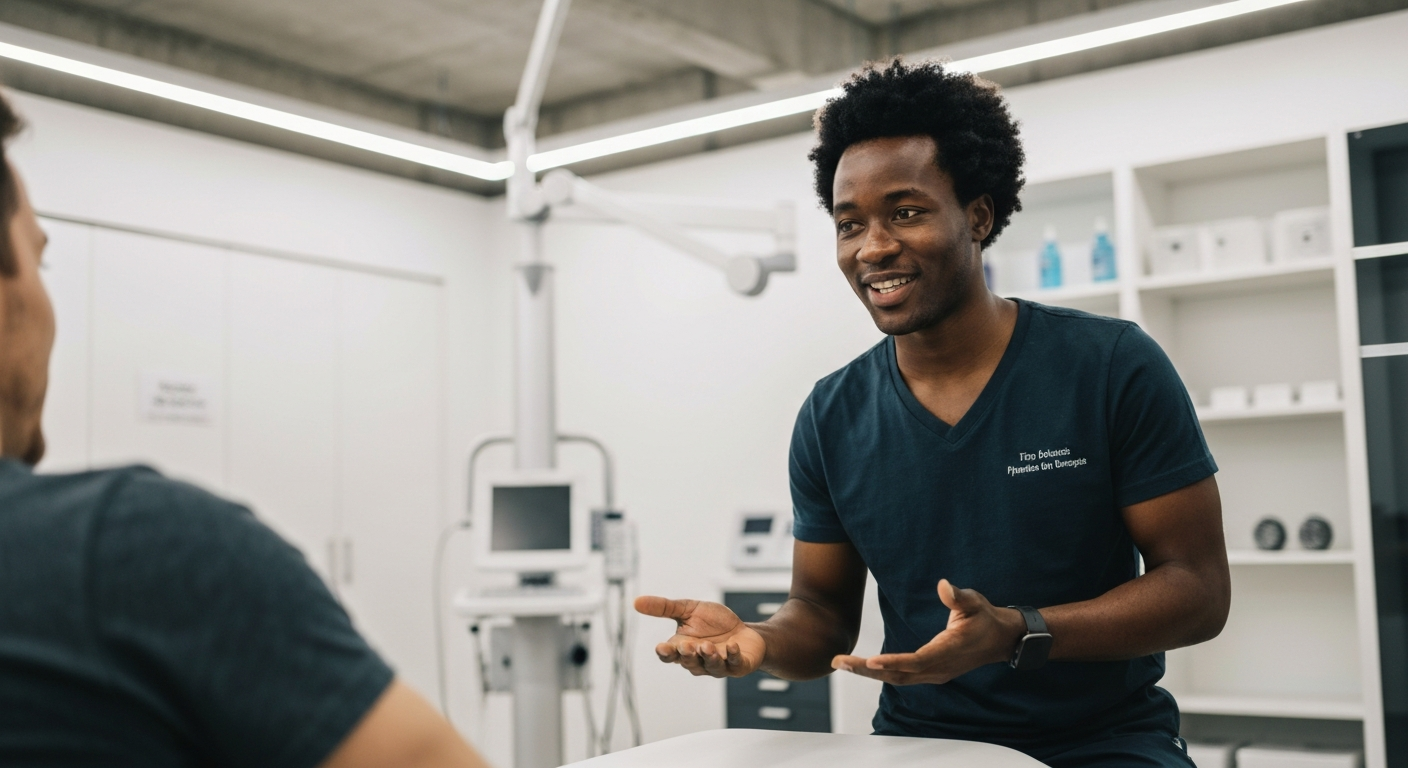
What Happens During Post-Surgery Physiotherapy?
Every rehabilitation program is individualized. However, most patients can expect several stages of recovery.
Phase 1: Early Recovery
Focus Areas: Pain management, swelling reduction, gentle movement, and protection of surgical tissues.
At this stage, the emphasis is on promoting healing while preventing complications.
Phase 2: Mobility Restoration
Once healing progresses, treatment focuses on increasing range of motion, improving flexibility, and restoring normal movement patterns.
Patients gradually become more active during this phase.
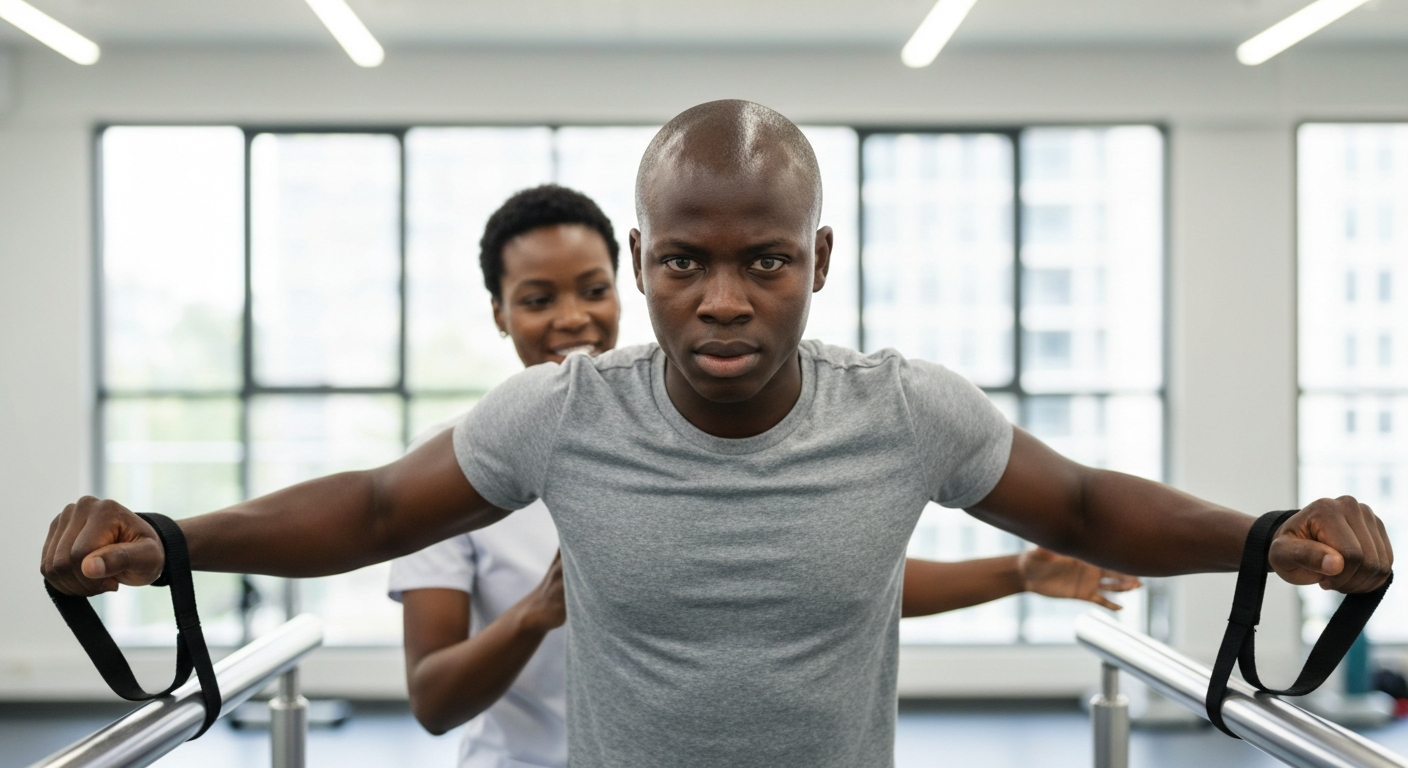
Phase 3: Strength Building
As tissues heal, strengthening exercises become more challenging. The goal is to restore muscle strength, joint stability, and functional movement.
Phase 4: Functional Rehabilitation
Patients begin practicing activities specific to their daily lives. Examples include walking longer distances, climbing stairs, lifting objects, and returning to work tasks.
Phase 5: Return to Sport or Full Activity
Athletes and active individuals may require advanced rehabilitation focused on agility, power, endurance, and sport-specific movements.
This helps reduce the risk of reinjury.
What Happens If You Skip Rehabilitation?
Unfortunately, some patients assume they can recover without physiotherapy. This often leads to:
- Prolonged Pain: Pain may persist longer than necessary.
- Joint Stiffness: Reduced mobility can become permanent.
- Muscle Weakness: Weak muscles increase the risk of future injury.
- Poor Surgical Outcomes: Even technically successful surgeries may produce disappointing results without rehabilitation.
- Delayed Return to Activities: Recovery often takes significantly longer.
Benefits of Physiotherapy After Surgery
Patients who participate in structured rehabilitation often experience:
- Faster recovery
- Reduced pain
- Improved flexibility
- Increased strength
- Better balance
- Greater confidence
- Improved surgical outcomes
- Reduced risk of complications
- Faster return to work and sports
Tips for a Successful Recovery After Surgery
To maximize recovery outcomes:
- Follow Medical AdviceAlways follow your surgeon's recommendations.
- Attend Physiotherapy SessionsConsistency is essential for progress.
- Perform Home ExercisesHome programs reinforce clinic-based treatment.
- Stay Active Within Safe LimitsMovement promotes circulation and healing.
- Maintain Good NutritionProper nutrition supports tissue repair.
- Be PatientHealing takes time. Recovery is a gradual process.
Frequently Asked Questions About Post-Surgery Rehabilitation
When Should Rehabilitation Begin After Surgery?
This depends on the procedure performed. For many surgeries, rehabilitation begins within days after the operation under medical supervision.
Is Post-Surgery Physiotherapy Painful?
Some discomfort may occur during recovery exercises, but rehabilitation should not cause severe pain. Physiotherapists carefully progress treatment based on your healing stage.
How Long Does Post-Surgery Rehabilitation Take?
Recovery timelines vary. Examples include minor procedures (several weeks), joint replacements (2–6 months), and ligament reconstructions (6–12 months). Your physiotherapist will provide individualized guidance.
Can Rehabilitation Speed Up Recovery?
Yes. Appropriate rehabilitation helps optimize healing, improve function, and reduce recovery time.
Do All Surgical Patients Need Physiotherapy?
Not every surgery requires formal physiotherapy, but many orthopedic, neurological, and musculoskeletal procedures benefit greatly from professional rehabilitation.
Final Thoughts from a Physiotherapist
As physiotherapists, we often tell patients that surgery may repair the problem, but rehabilitation restores the person.
Post-surgery rehabilitation is not an optional extra—it is a vital part of the recovery process. It helps reduce pain, restore movement, rebuild strength, and return patients to the activities they enjoy.
Whether you've undergone a knee replacement, spinal surgery, fracture repair, or sports injury reconstruction, a structured physiotherapy program can make the difference between simply healing and truly recovering.
Preparing for or Recovering from Surgery?
At Capitol Physiotherapy & Wellness Clinic, we provide personalized post-operative rehabilitation programs designed to help patients recover safely, efficiently, and confidently. Our goal is to help you regain your independence, restore your function, and return to life stronger than before.