Physical Relief for Mental Stress
Physiotherapy techniques including manual therapy and breathing retraining to address the physical impact of stress.
Quick AnswerWhat is Stress Relief Therapy?
Physiotherapy techniques including manual therapy and breathing retraining to address the physical impact of stress.
- Evidence-based treatment
- Personalised recovery plan
- Non-surgical approach
- Expert physiotherapists
Introduction
Mental and emotional stress manifests physically in the body, most commonly as muscle tension, headaches, and altered breathing patterns. Our stress relief therapy targets these physical symptoms.
Stress Relief Therapy is one of our specialized programs under our Wellness services.
Why It Matters
- High-pressure work environments
- Personal or family stress
- Anxiety and chronic worry
- Poor sleep quality due to stress
- Trauma or emotional shock
Signs You Could Benefit
- Severe tension in the neck, shoulders, and jaw
- Tension headaches or migraines
- Shallow, rapid 'chest breathing'
- General feeling of physical tightness and inability to relax
- Fatigue and lethargy
How It Helps
We use physical interventions to down-regulate your nervous system, shifting your body from a 'fight or flight' state (sympathetic) to a 'rest and digest' state (parasympathetic).
Our Approach
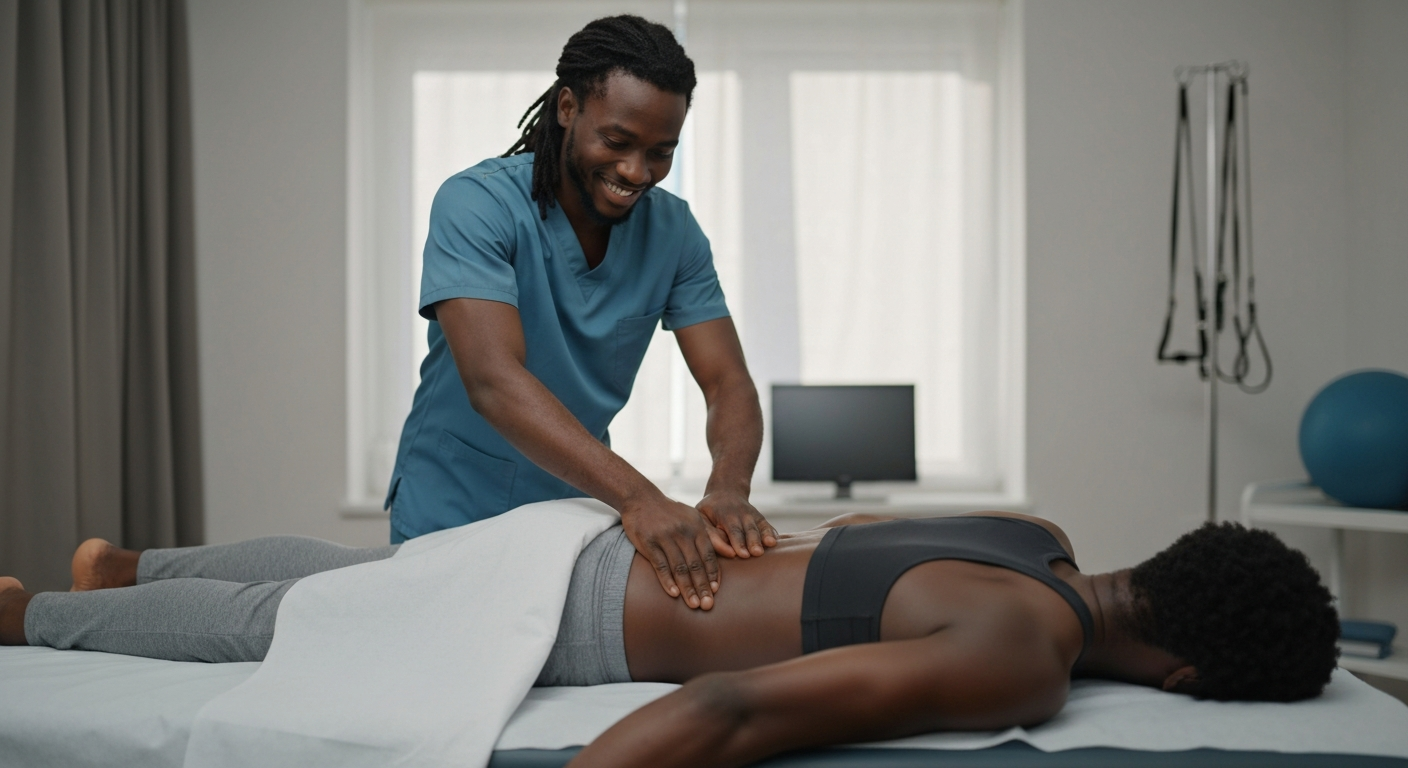
Deep tissue and relaxation massage
Myofascial release for chronic tension areas
Diaphragmatic breathing retraining
Guided relaxation and mindfulness techniques
Gentle stretching and mobility flows
Who Benefits from Stress Relief Therapy?
- Individuals experiencing acute or chronic pain related to this condition
- Athletes looking to safely return to sport and improve performance
- Post-surgical patients requiring structured rehabilitation
- Office workers suffering from ergonomic or postural strain
- Seniors aiming to maintain mobility and independence
How Many Sessions Are Required?
The number of sessions varies depending on the severity and chronicity of your condition. Acute issues may resolve in 3-6 sessions, while chronic or post-surgical conditions typically require a longer, structured rehabilitation plan. Your physiotherapist will provide a clear timeline after your initial assessment.
Risks and Contraindications
- Severe osteoporosis or bone fragility (requires modified techniques)
- Active infections or unhealed open wounds in the treatment area
- Certain cardiovascular conditions (requires medical clearance)
- Acute inflammatory phases where rest is medically advised
Stress Relief Therapy vs Standard Care
While standard care often focuses merely on symptom relief through medication or rest, our specialized stress relief therapy targets the root biomechanical cause. We combine evidence-based interventions with active rehabilitation to not only eliminate pain but also prevent it from returning, ensuring a more sustainable and functional recovery.
Why Choose Us
We provide a safe, calming environment and use evidence-based physical techniques to break the cycle of stress and muscle tension.
Frequently Asked Questions
Is this just a massage?
While massage is a component, this is a clinical therapy session. We also assess and correct breathing mechanics and provide you with tools to manage physical tension at home.
Can physiotherapy help with anxiety?
We do not treat the psychological causes of anxiety, but we are highly effective at treating the physical symptoms (muscle tension, shallow breathing) that accompany it.
Conditions We Commonly Treat
As part of our Stress Relief Therapy program, we regularly treat the following related conditions:
Related Programs
Patients seeking Stress Relief Therapy often benefit from our comprehensive approach that includes these related programs:
Ready to start?
Book a consultation today and invest in your long-term health.