Rebuild Practical Movement Patterns
Rebuild practical movement patterns required for daily life, work, and sport.
Quick AnswerWhat is Functional Movement Rehabilitation?
Rebuild practical movement patterns required for daily life, work, and sport.
- Evidence-based treatment
- Personalised recovery plan
- Non-surgical approach
- Expert physiotherapists
Introduction
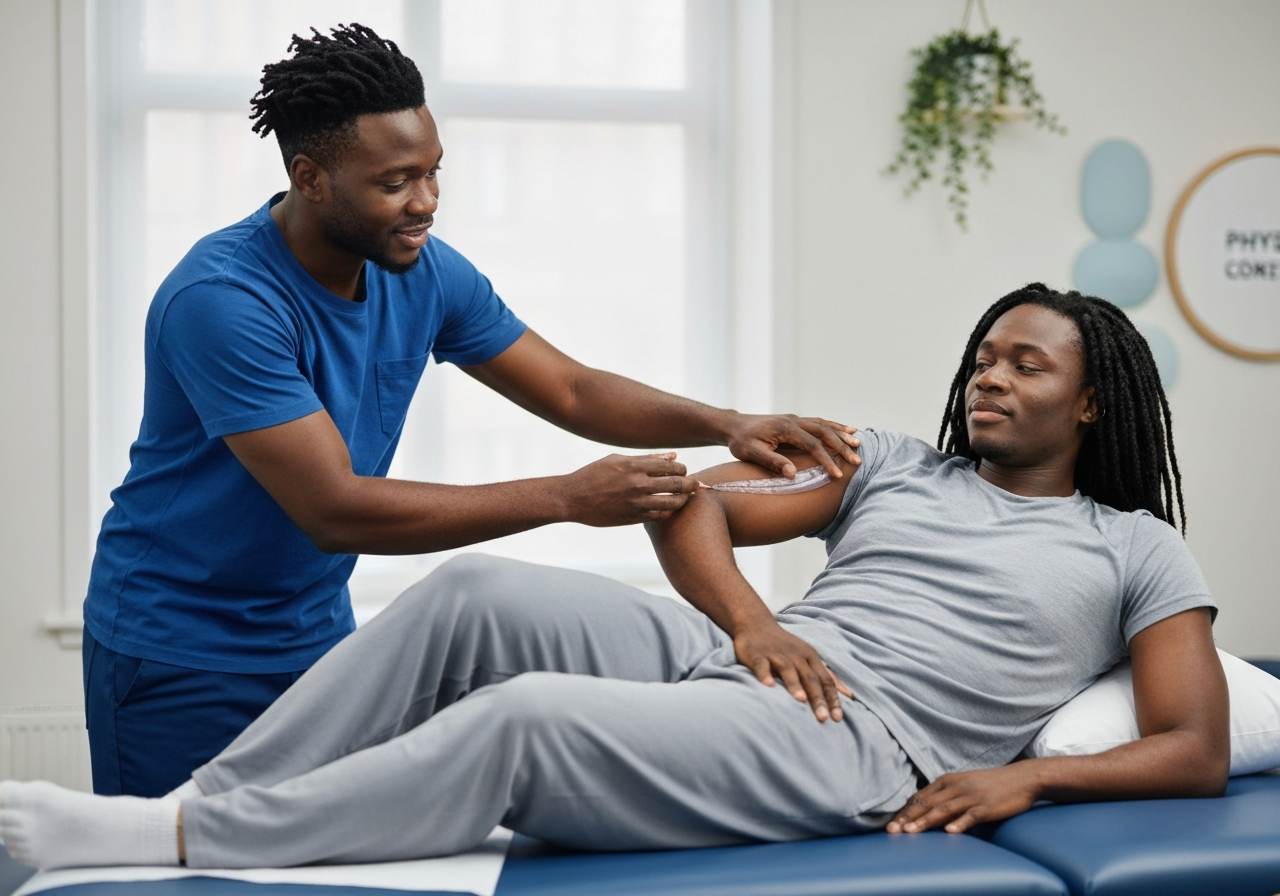
Functional rehabilitation bridges the gap between basic physical therapy and a full return to your life. We focus on exercises that mimic the specific activities you need to perform every day.
Functional Movement Rehabilitation is one of our specialized programs under our Rehabilitation services.
Common Conditions Addressed
- Return to heavy manual labor after injury
- Desire to return to specific hobbies (gardening, golf)
- Difficulty with specific daily tasks (reaching high shelves, bending)
- Post-rehab transition phase
Symptoms & Challenges
- Pain only during specific activities
- Feeling 'weak' when doing certain tasks despite normal gym strength
- Fear of re-injury when performing complex movements
- Lack of coordination
How Rehabilitation Helps
By training the body to handle the specific loads and movements of your daily life, we ensure you are truly ready to return to your normal routine without fear or pain.
Our Treatment Methods
Task analysis and breakdown
Multi-planar movement training
Work hardening/conditioning
Lifting and carrying mechanics
Sport-specific drill progression
Who Benefits from Functional Movement Rehabilitation?
- Individuals experiencing acute or chronic pain related to this condition
- Athletes looking to safely return to sport and improve performance
- Post-surgical patients requiring structured rehabilitation
- Office workers suffering from ergonomic or postural strain
- Seniors aiming to maintain mobility and independence
How Many Sessions Are Required?
The number of sessions varies depending on the severity and chronicity of your condition. Acute issues may resolve in 3-6 sessions, while chronic or post-surgical conditions typically require a longer, structured rehabilitation plan. Your physiotherapist will provide a clear timeline after your initial assessment.
Risks and Contraindications
- Severe osteoporosis or bone fragility (requires modified techniques)
- Active infections or unhealed open wounds in the treatment area
- Certain cardiovascular conditions (requires medical clearance)
- Acute inflammatory phases where rest is medically advised
Functional Movement Rehabilitation vs Standard Care
While standard care often focuses merely on symptom relief through medication or rest, our specialized functional movement rehabilitation targets the root biomechanical cause. We combine evidence-based interventions with active rehabilitation to not only eliminate pain but also prevent it from returning, ensuring a more sustainable and functional recovery.
Why Choose Us
We don't stop when your pain is gone; we stop when you are fully capable of living your life exactly how you want to.
Frequently Asked Questions
What makes this different from regular exercises?
Instead of isolating one muscle (like a bicep curl), functional exercises train multiple muscle groups to work together (like lifting a box from the floor to a shelf).
Is this only for athletes or workers?
No, functional rehab is for everyone. For a senior, a functional exercise might be practicing getting in and out of a low chair safely.
Conditions We Commonly Treat
As part of our Functional Movement Rehabilitation program, we regularly treat the following related conditions:
Related Programs
Patients seeking Functional Movement Rehabilitation often benefit from our comprehensive approach that includes these related programs:
Ready to start?
Book a consultation today and take the first step towards recovery.