Orthopedic & Bone Rehabilitation
Bone, joint, and soft-tissue rehabilitation following fractures, dislocations, or orthopedic procedures.
Quick AnswerWhat is Orthopedic Rehabilitation?
Bone, joint, and soft-tissue rehabilitation following fractures, dislocations, or orthopedic procedures.
- Evidence-based treatment
- Personalised recovery plan
- Non-surgical approach
- Expert physiotherapists
Introduction
Orthopedic rehabilitation focuses on the musculoskeletal system. Whether you are recovering from a broken bone, a severe dislocation, or managing a chronic orthopedic condition, we provide the care you need.
Orthopedic Rehabilitation is one of our specialized programs under our Rehabilitation services.
Common Conditions Addressed
- Bone fractures (simple or complex)
- Joint dislocations
- Severe osteoarthritis requiring management
- Tendon ruptures (e.g., Achilles)
- Crush injuries
Symptoms & Challenges
- Immobilization stiffness (e.g., after cast removal)
- Severe muscle wasting (atrophy)
- Joint instability
- Chronic aching or sharp pain with movement
- Altered walking patterns (limping)
How Rehabilitation Helps
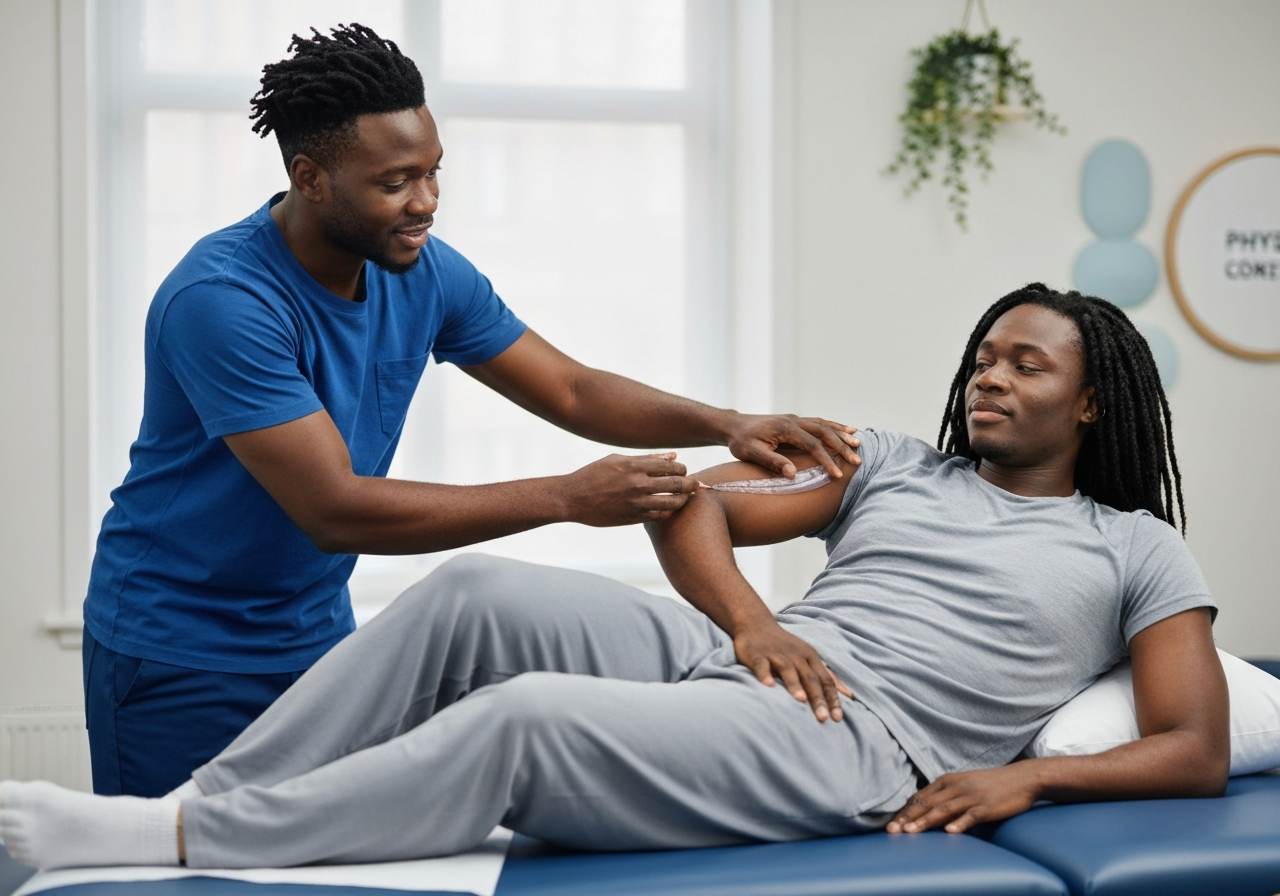
We focus on safely remobilizing joints that have been immobilized, rebuilding wasted muscle, and restoring normal biomechanics to prevent long-term disability.
Our Treatment Methods
Gradual joint mobilization
Progressive weight-bearing exercises
Muscle hypertrophy (growth) training
Gait analysis and correction
Hydrotherapy (if applicable)
Who Benefits from Orthopedic Rehabilitation?
- Individuals experiencing acute or chronic pain related to this condition
- Athletes looking to safely return to sport and improve performance
- Post-surgical patients requiring structured rehabilitation
- Office workers suffering from ergonomic or postural strain
- Seniors aiming to maintain mobility and independence
How Many Sessions Are Required?
The number of sessions varies depending on the severity and chronicity of your condition. Acute issues may resolve in 3-6 sessions, while chronic or post-surgical conditions typically require a longer, structured rehabilitation plan. Your physiotherapist will provide a clear timeline after your initial assessment.
Risks and Contraindications
- Severe osteoporosis or bone fragility (requires modified techniques)
- Active infections or unhealed open wounds in the treatment area
- Certain cardiovascular conditions (requires medical clearance)
- Acute inflammatory phases where rest is medically advised
Orthopedic Rehabilitation vs Standard Care
While standard care often focuses merely on symptom relief through medication or rest, our specialized orthopedic rehabilitation targets the root biomechanical cause. We combine evidence-based interventions with active rehabilitation to not only eliminate pain but also prevent it from returning, ensuring a more sustainable and functional recovery.
Why Choose Us
We understand the delicate balance between protecting healing bones/tissues and pushing the body to recover its strength, ensuring safe and optimal results.
Frequently Asked Questions
My arm is very stiff after having a cast removed. Is this normal?
Yes, this is completely normal. Joints become stiff when immobilized. Physiotherapy will help stretch the joint capsule and restore normal movement.
How long does it take to rebuild muscle after a fracture?
It typically takes several months of consistent strength training to rebuild muscle mass that was lost during immobilization.
Conditions We Commonly Treat
As part of our Orthopedic Rehabilitation program, we regularly treat the following related conditions:
Related Programs
Patients seeking Orthopedic Rehabilitation often benefit from our comprehensive approach that includes these related programs:
Ready to start?
Book a consultation today and take the first step towards recovery.