Neurological Stroke Rehabilitation
Intensive neurological physiotherapy to restore movement, balance, and independence after a stroke.
Quick AnswerWhat is Stroke Rehabilitation?
Intensive neurological physiotherapy to restore movement, balance, and independence after a stroke.
- Evidence-based treatment
- Personalised recovery plan
- Non-surgical approach
- Expert physiotherapists
Introduction
Surviving a stroke is a life-changing event. Our specialized neuro-physiotherapy focuses on neuroplasticity—helping the brain rewire itself to relearn lost movements and skills.
Stroke Rehabilitation is one of our specialized programs under our Rehabilitation services.
Common Conditions Addressed
- Ischemic stroke (blood clot)
- Hemorrhagic stroke (bleeding in the brain)
- Transient Ischemic Attack (TIA)
Symptoms & Challenges
- Paralysis or weakness on one side of the body (Hemiplegia/Hemiparesis)
- Difficulty with balance and coordination
- Muscle spasticity or abnormal tone
- Difficulty walking or standing
- Loss of fine motor skills
How Rehabilitation Helps
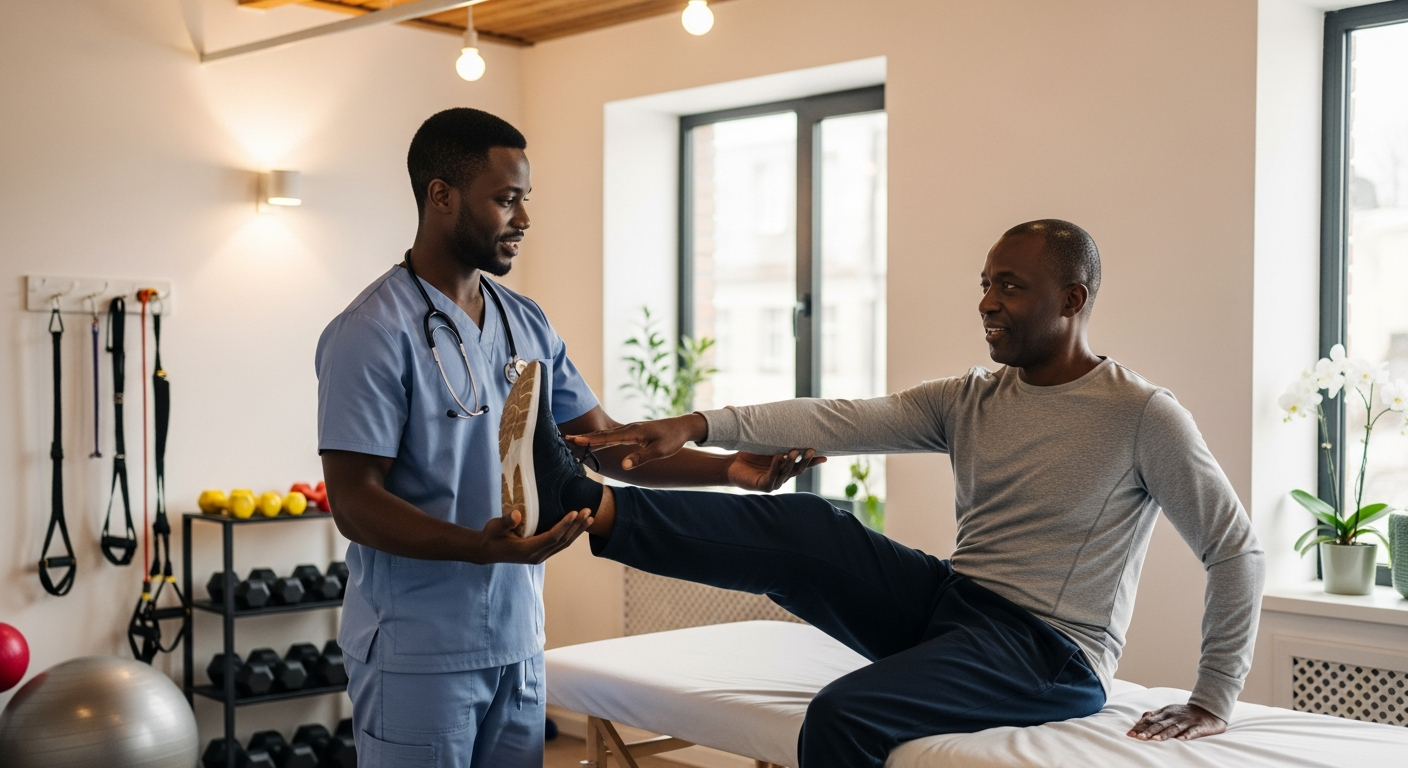
Through repetitive, task-specific training, we help stimulate the brain to form new neural connections, improving motor control, balance, and the ability to perform daily tasks independently.
Our Treatment Methods
Gait re-education and balance training
Task-specific functional practice (e.g., reaching, grasping)
Spasticity management and stretching
Constraint-Induced Movement Therapy (CIMT)
Use of mobility aids and orthotics
Who Benefits from Stroke Rehabilitation?
- Individuals experiencing acute or chronic pain related to this condition
- Athletes looking to safely return to sport and improve performance
- Post-surgical patients requiring structured rehabilitation
- Office workers suffering from ergonomic or postural strain
- Seniors aiming to maintain mobility and independence
How Many Sessions Are Required?
The number of sessions varies depending on the severity and chronicity of your condition. Acute issues may resolve in 3-6 sessions, while chronic or post-surgical conditions typically require a longer, structured rehabilitation plan. Your physiotherapist will provide a clear timeline after your initial assessment.
Risks and Contraindications
- Severe osteoporosis or bone fragility (requires modified techniques)
- Active infections or unhealed open wounds in the treatment area
- Certain cardiovascular conditions (requires medical clearance)
- Acute inflammatory phases where rest is medically advised
Stroke Rehabilitation vs Standard Care
While standard care often focuses merely on symptom relief through medication or rest, our specialized stroke rehabilitation targets the root biomechanical cause. We combine evidence-based interventions with active rehabilitation to not only eliminate pain but also prevent it from returning, ensuring a more sustainable and functional recovery.
Why Choose Us
Our team includes therapists experienced in neurological rehabilitation, providing compassionate, patient, and highly skilled care for stroke survivors.
Frequently Asked Questions
How soon after a stroke should rehab begin?
As soon as the patient is medically stable. Early intervention is critical for maximizing neurological recovery.
Will I fully recover my movement?
Recovery varies greatly from person to person. While full recovery isn't always possible, intensive physiotherapy significantly improves function and quality of life.
Conditions We Commonly Treat
As part of our Stroke Rehabilitation program, we regularly treat the following related conditions:
Related Programs
Patients seeking Stroke Rehabilitation often benefit from our comprehensive approach that includes these related programs:
Ready to start?
Book a consultation today and take the first step towards recovery.